Incredible Facts About Three Jellyfish Species
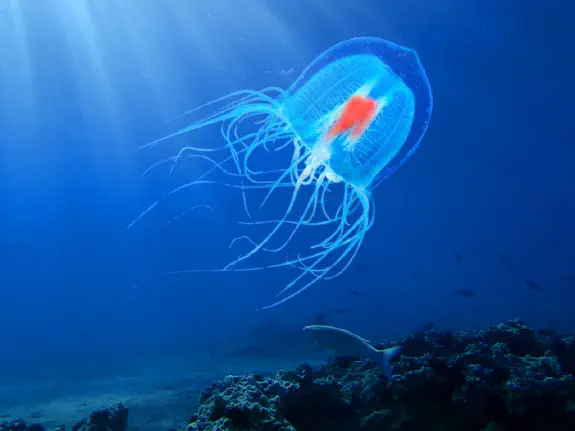
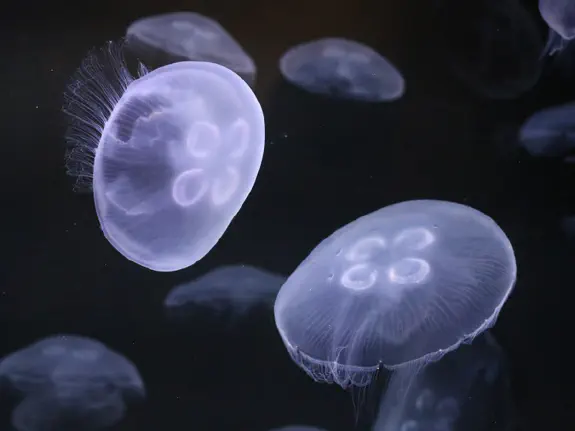
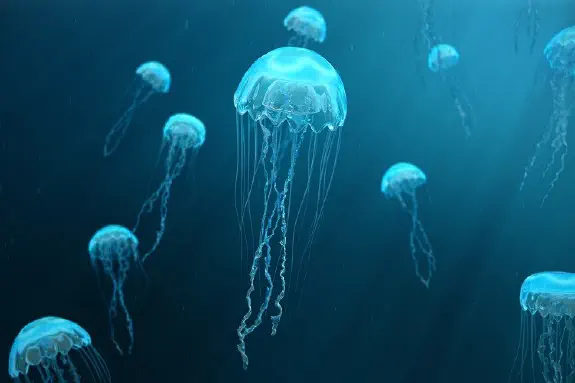
During beach season, reports of a jellyfish sting spread like wildfire. While these invertebrates are frightening, they are also poorly understood and fascinating. Jellyfish have been around for millions of years, even before dinosaurs took over the world. Some are clear, others have vibrant colours of purple, blue, yellow and pink. Jellyfish are also bioluminescent, which means they can produce light. The sea creature does not have eyes, bones, heart, or brain. But they have a mouth at the centre of the body. It is the same opening for eating and discarding waste.
The jellyfish also uses the mouth to squirt a jet of water to propel it forward. Food comprises tiny plants, crabs, shrimp, and fish. They have to digest the food fast or they would not float in water. The jellyfish is also a tasty meal for creatures such as sea turtles and a delicacy in countries such as China. Now to more facts about three outstanding jellyfish species.